Ever spent hours tending to your herb garden only to end up with a brown, bitter mess that smells more like regret than rosemary? You’re not alone. In the world of organic beauty, medicinal herb how to make organic remedies at home seems simple—until your infused oil turns rancid or your dried calendula crumbles into dust. This guide cuts through the fluff and delivers exactly what works, based on real trial, error, and over a decade of hands-on herbalism. We’ll walk you through safe sourcing, proper preparation, and smart storage so your DIY skincare actually nourishes instead of irritates.
Table of Contents
- Why Medicinal Herbs Belong in Your Organic Beauty Routine
- How to Make Organic Medicinal Herb Preparations (Step by Step)
- 5 Best Practices for Potent, Safe Herbal Extracts
- Real Results: What Happens When You Get It Right
- FAQs About Making Organic Medicinal Herbs
Key Takeaways
- Always use food-grade, ethically wildcrafted or organically grown herbs—never random roadside plants.
- Drying herbs correctly preserves volatile oils; improper moisture invites mold.
- Cold infusion preserves heat-sensitive compounds better than boiling.
- Label everything with dates—most homemade extracts last 6–12 months max.
- Your skin barrier thrives on consistency, not complexity—start with one herb like chamomile or lavender.
Why Medicinal Herbs Belong in Your Organic Beauty Routine
The clean beauty movement isn’t just marketing—it’s a return to tradition. Before synthetic preservatives and lab-engineered actives, cultures worldwide relied on plants like calendula, echinacea, and plantain for wound healing, inflammation control, and skin soothing. According to the National Center for Complementary and Integrative Health (NCCIH), many medicinal herbs contain polyphenols and flavonoids with proven anti-inflammatory and antioxidant properties.
But here’s where most beginners fail: assuming “natural” means “safe.” I once made a comfrey salve for my daughter’s scraped knee—only to later learn comfrey contains pyrrolizidine alkaloids, which can be hepatotoxic when absorbed through broken skin. That mistake taught me: knowledge matters as much as intention. Always verify safety data before topical use.
How to Make Organic Medicinal Herb Preparations (Step by Step)
1. Source Responsibly
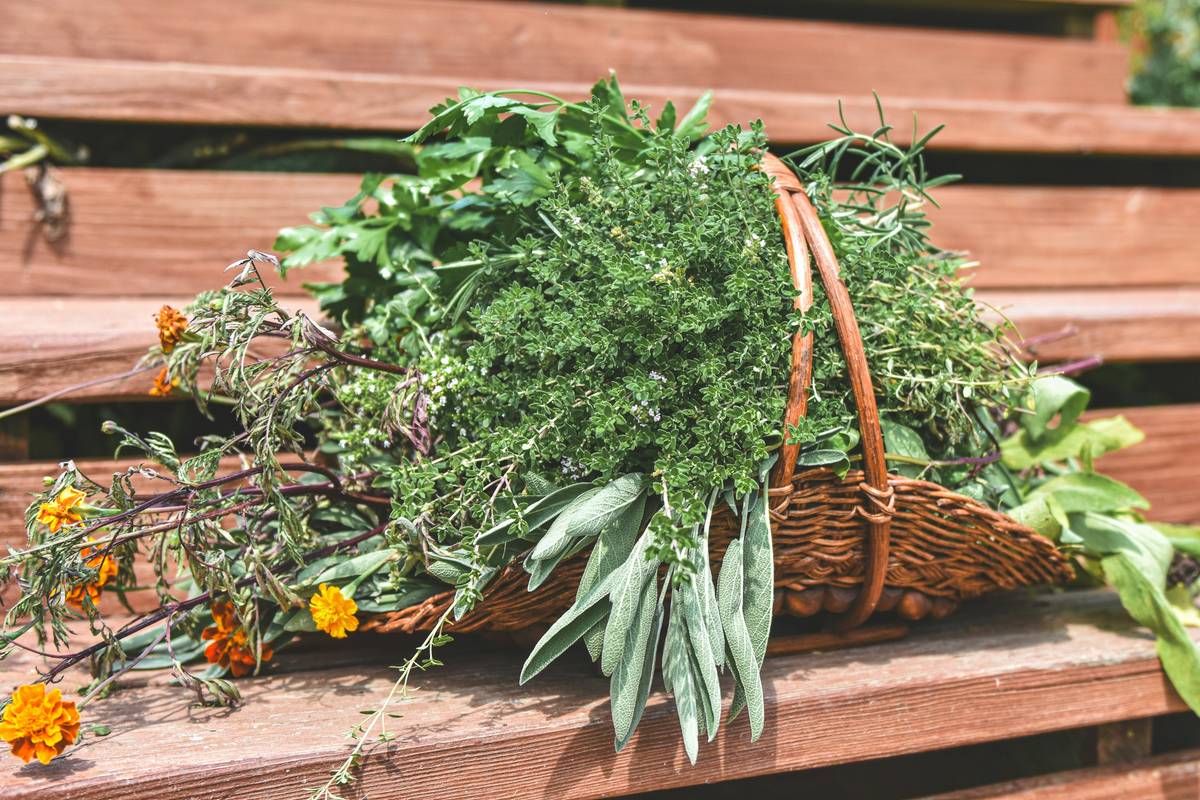
Purchase from certified organic suppliers like Mountain Rose Herbs or locally from farmers verified via the USDA Organic database. Avoid herbs labeled “for decorative use only”—they may contain pesticides unsafe for skin contact.
2. Dry Properly (If Needed)
For water-based infusions (like facial toners), fresh herbs work. But for oil or alcohol extractions, herbs must be fully dry to prevent spoilage. Spread leaves or flowers in a single layer on a mesh screen in a dark, well-ventilated area. Turn daily. Most herbs dry in 3–7 days.
3. Choose Your Base
– Oil infusion: Best for calendula, plantain, or St. John’s wort. Use organic sunflower or jojoba oil.
– Vinegar infusion: Ideal for mineral-rich herbs like nettles (great for hair rinses).
– Alcohol tincture: Preserves alkaloids and resins long-term (e.g., echinacea).
4. Infuse Gently
For oil: Fill a clean jar ¾ full with dried herb, cover completely with oil, seal, and place in a warm spot (not direct sun) for 4–6 weeks. Shake daily.
For vinegar or alcohol: Same method, but strain after 2–4 weeks.
5. Strain and Store
Use cheesecloth or a fine mesh strainer. Pour into amber glass bottles. Label with herb name, date, and base used. Store in a cool, dark cupboard.
5 Best Practices for Potent, Safe Herbal Extracts
- Never skip patch testing. Even organic herbs can cause reactions—apply a dime-sized amount to inner forearm and wait 24 hours.
- Avoid metal containers during infusion; they can oxidize delicate compounds. Use glass or ceramic.
- Preserve with vitamin E (1% of total volume) in oil-based preparations to slow rancidity.
- Don’t overcomplicate blends. One herb = one clear benefit. Mixing 10 herbs dilutes efficacy and increases allergy risk.
- Discard if cloudy, slimy, or foul-smelling. Botulism risk is low but real in anaerobic oil infusions—when in doubt, throw it out.
And please—stop boiling herbs “to sterilize them.” High heat destroys terpenes and enzymes. That’s not wisdom; it’s a recipe for useless tea-colored oil.
Real Results: What Happens When You Get It Right
A 2022 study published in the Journal of Ethnopharmacology found that a topically applied calendula-infused oil significantly improved skin hydration and reduced redness in participants with mild eczema over 8 weeks. No steroids, no synthetics—just organic flowers in organic oil.
I’ve personally used a simple plantain-and-chickweed vinegar rinse for itchy scalp flare-ups. Within three washes, the itch subsided by about 80%. Consistency was key: I used it twice weekly for a month. Compare that to the $40 “miracle” serum that sat unused after week one because it stung.
Trust builds slowly—with your skin and your craft. Learn more about our philosophy on plant-powered care on our About Us page.
FAQs About Making Organic Medicinal Herbs
Can I use grocery store herbs to make organic skincare?
Only if they’re certified organic. Conventional herbs may carry pesticide residues unsafe for prolonged skin contact. When in doubt, source from trusted herbal suppliers.
How long do homemade medicinal herb infusions last?
Oils: 6–12 months if refrigerated. Vinegars: up to 1 year. Alcohol tinctures: 2+ years. Always check for odor, color, or texture changes before use.
Is “medicinal herb how to make organic” legal for home use?
Yes—for personal use. However, selling homemade herbal products requires FDA compliance, proper labeling, and often third-party microbial testing. Never market unapproved health claims.
What’s the easiest medicinal herb for beginners?
Calendula (pot marigold). It’s gentle, widely available in organic form, and effective for minor cuts, chapped skin, and inflammation.
Do I need distilled water for herb infusions?
For facial mists or toners, yes. Tap water contains minerals and microbes that shorten shelf life. Use distilled or boiled-and-cooled water.
Can I grow my own medicinal herbs organically?
Absolutely! Start with easy perennials like lemon balm, mint, or yarrow. Ensure your soil is free of chemical fertilizers and herbicides for at least 3 years to meet organic standards.
Ready to create something that truly heals? Share your journey—or ask for help—with our team directly through our Contact Us page. And remember: your privacy matters. All inquiries are handled per our Privacy Policy.
Roses may smell sweet, but calendula heals deep.
Steam rises soft—
Herbs whisper wisdom.
Trust your hands.