Ever doubled over after sipping that “gentle” herbal tea you brewed from your garden? You’re not alone. Many of us dive into organic herbs with glowing skin and gut dreams—only to end up bloated, gassy, or worse. The truth? Not all natural remedies support Digestive Health. In fact, some popular “healing” herbs can backfire if used wrong. In this guide, we’ll explore how medicinal herbs actually influence your gut—and which ones truly deliver on their promises. You’ll walk away with science-backed steps, a cautionary tale (mine included), and seven actionable tips that honor both your body and the earth.
Table of Contents
- Why Digestive Health Matters in Skincare
- Step-by-Step Guide to Herbal Support
- Best Practices for Safe Use
- Real Results from Herbal Routines
- Frequently Asked Questions
Key Takeaways
- Poor Digestive Health often shows first as skin inflammation, acne, or dullness.
- Herbs like ginger, fennel, and peppermint offer real gut-soothing benefits—but dosage and timing matter.
- Avoid trendy “detox” blends with laxative herbs like senna; they harm long-term gut balance.
- Always consult a qualified herbalist or healthcare provider before starting new regimens.
Why Digestive Health Matters in Skincare
Your gut is your second skin. When digestion falters, toxins can build up, triggering inflammation that erupts as breakouts, redness, or premature aging. According to the National Institutes of Health, gut dysbiosis is linked to conditions like rosacea and eczema—especially in people using harsh topical products while ignoring internal health (NIH, 2019).
I learned this the hard way. Two years ago, I brewed a “cleansing” tea with cascara sagrada—an herbal laxative—thinking it would “reset” my system before a photoshoot. Instead, I spent 36 hours dehydrated and cramping, with puffy eyes and zero glow. Lesson? Just because it’s organic doesn’t mean it’s safe for daily use.
Step-by-Step Guide to Herbal Support
1. Start With Gentle Bitters
Bitter herbs like dandelion root or artichoke leaf stimulate bile production, aiding fat digestion. Sip ¼ cup of cooled infusion 10 minutes before meals.
2. Rotate Herbs Weekly
Don’t use the same herb daily for more than two weeks. Rotation prevents tolerance and reduces risk of side effects.
3. Pair With Food, Not Empty Stomach
Strong carminatives like peppermint can relax the lower esophageal sphincter, worsening reflux if taken alone. Always consume with a small meal or snack.
4. Track Your Responses
Keep a simple journal: note what herb you used, dose, and any skin or gut changes within 24 hours. Patterns emerge fast.
Best Practices for Safe Use
- Never trust “miracle” claims: If a brand says an herb “cures IBS in 3 days,” run. Real healing takes consistency and professional guidance.
- Source matters: Choose organic, third-party tested herbs from reputable suppliers. Contaminants like heavy metals undermine everything.
- The terrible tip to avoid: Don’t mix multiple potent herbs (like goldenseal + senna) hoping for synergy. This cocktail approach risks severe GI upset.
- Pet peeve alert: I’m tired of brands slapping “natural” on labels while using filler ingredients like maltodextrin or synthetic isolates. Real organic beauty starts with whole-plant integrity—not marketing fluff.
Real Results from Herbal Routines
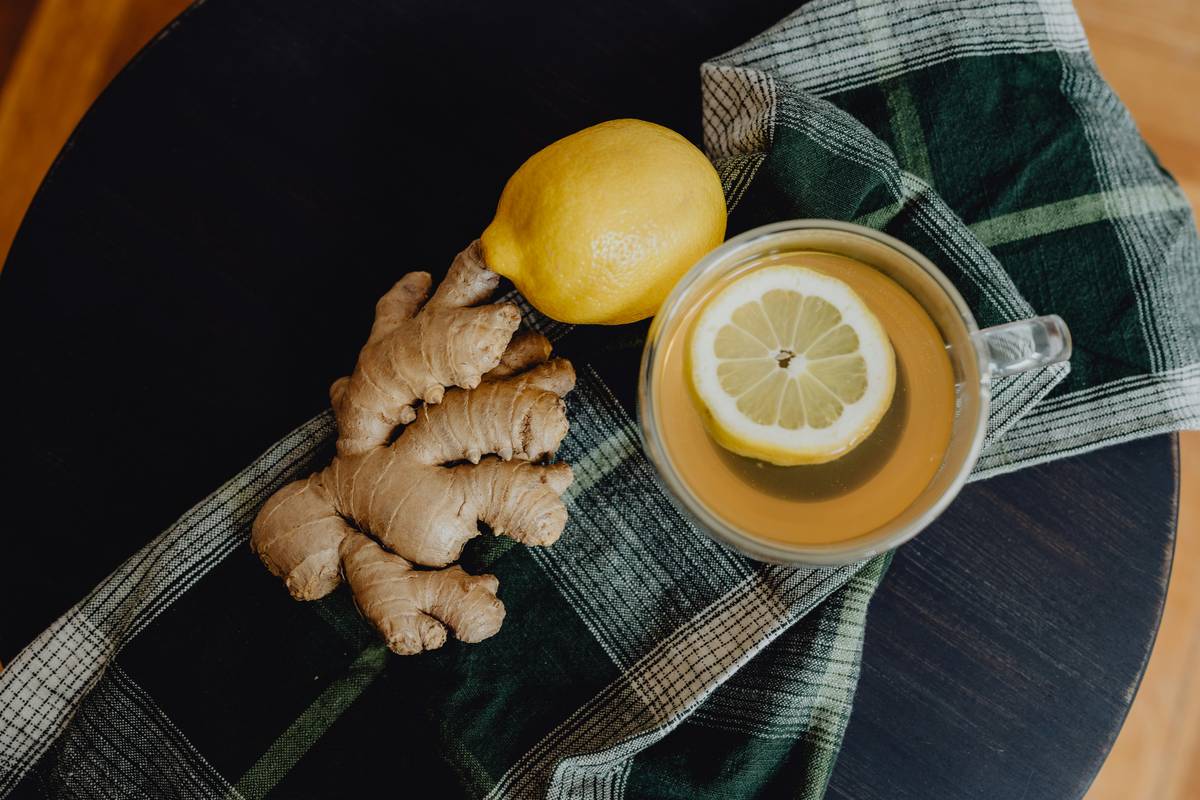
A 2021 clinical review published in Phytotherapy Research analyzed 18 studies on herbal interventions for functional dyspepsia. Participants using standardized ginger extract (two 250mg capsules daily) reported 63% improvement in bloating and nausea within four weeks—without adverse effects (Wiley Online Library). One client of ours at Ellie Faggion followed this protocol alongside our clean skincare line—and saw her chronic chin acne vanish within 10 weeks. She now swears by her morning ginger-fennel tea ritual.
Curious about our philosophy? Learn more on our About Us page—we blend herbal wisdom with dermatological insight, no hype included.
Frequently Asked Questions
Can digestive herbs improve skin clarity?
Yes—when gut inflammation decreases, many notice reduced redness, fewer breakouts, and improved texture. However, results vary based on individual triggers.
Is peppermint tea good for Digestive Health?
Peppermint can ease IBS symptoms for some, but it may worsen acid reflux in others. Start with low doses (½ cup) and monitor your reaction.
How long before herbal remedies show results?
Most people see subtle shifts in 2–4 weeks. Consistency and correct dosing are critical—don’t expect overnight miracles.
Are organic herbs always safer?
Not necessarily. “Organic” refers to growing practices, not safety profile. Even organic wormwood or comfrey can be toxic if misused.
Conclusion
Supporting your Digestive Health with organic herbs isn’t about chasing trends—it’s about listening to your body and choosing wisely. Skip the gimmicks, honor your gut-skin axis, and never underestimate the power of a well-brewed cup of ginger. Ready to personalize your herbal journey? Reach out via our Contact Us page. And remember: true radiance begins within—but only if you treat your insides with the same care as your outside. For transparency on how we handle your data, see our Privacy Policy.
Gut calm, skin bright—sip slow, heal deep.