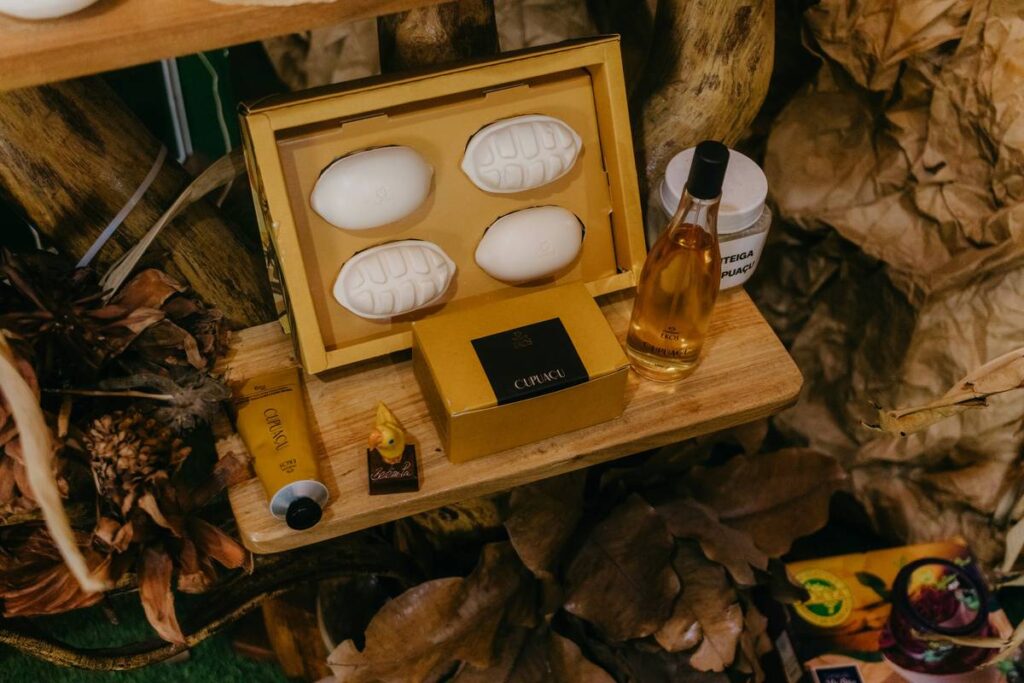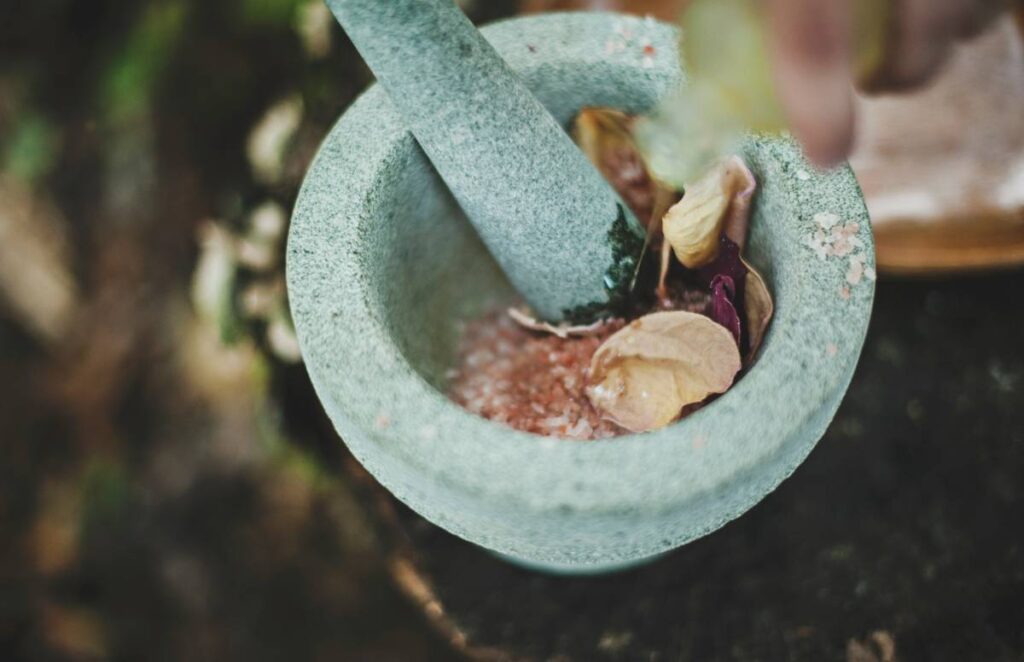
If your skincare routine includes turmeric masks or rosemary toners but ignores how those same organic herbs can transform your kitchen—and your skin from within—you’re missing a potent synergy. As someone who once ruined an entire batch of homemade body scrub by swapping dried thyme for oregano (yes, it stung like betrayal), I’ve learned that precision with organic herbs matters far beyond flavor. This guide reveals how thoughtfully crafted Spice Blends bridge natural beauty and wellness, backed by science and hard-won kitchen blunders.
Table of Contents
- Why Spice Blends Matter in Natural Beauty
- How to Create Your Own Herbal Spice Blends
- Best Practices for Using Spice Blends Safely
- Real Results: Case Studies & Evidence
- Frequently Asked Questions
Key Takeaways
- Organic herb-based Spice Blends support skin health through anti-inflammatory and antioxidant compounds.
- Improper herb ratios can cause irritation—precision is non-negotiable.
- Always source certified organic, food-grade herbs to avoid contaminants.
- Internal use (culinary) and topical application both contribute to holistic skin benefits.
- Start simple: a 3-herb blend reduces risk while maximizing efficacy.
Why Spice Blends Matter in Natural Beauty
The line between seasoning your food and nourishing your skin isn’t just poetic—it’s biochemical. Many organic herbs used in Spice Blends, like turmeric, cinnamon, and ginger, contain polyphenols and essential oils proven to reduce oxidative stress, a key driver of skin aging. According to the National Center for Complementary and Integrative Health (NCCIH), curcumin—the active compound in turmeric—demonstrates significant anti-inflammatory effects when consumed or applied topically.
Yet here’s where most DIY enthusiasts stumble: assuming “natural” equals “safe at any dose.” I once mixed a face mask with raw cayenne because a blog claimed it “boosted circulation.” The result? A fiery rash that took three days to calm. Not all herbs play nice with sensitive skin—even if they’re organic. That’s why balanced Spice Blends formulated with synergy in mind are essential.
How to Create Your Own Herbal Spice Blends
Step 1: Choose Skin-Supportive Herbs
Prioritize herbs with documented dermatological benefits. Turmeric (anti-inflammatory), holy basil (adaptogenic), and fenugreek (rich in saponins) are excellent starters. Avoid phototoxic herbs like angelica or rue unless under professional guidance.
Step 2: Grind Fresh, Store Smart
Whole organic herbs retain potency longer. Invest in a dedicated coffee grinder (never share with caffeinated beans!) and grind only what you need weekly. Store blends in amber glass jars away from light and moisture.
Step 3: Balance Act Ratios
Never exceed 10% of any single potent herb (e.g., ginger or black pepper) in your base mix. A safe starter ratio: 6 parts mild base (like coriander), 3 parts active (turmeric), 1 part enhancer (black pepper for bioavailability).
Best Practices for Using Spice Blends Safely
- Always patch test: Apply a dime-sized amount of diluted blend to inner forearm; wait 24 hours.
- Use food-grade only: Cosmetic-grade herbs may contain carriers unsafe for ingestion. For dual-use blends, stick to food-safe sources.
- Avoid this terrible tip: “More spice = faster results.” Overloading capsaicin or eugenol can compromise your skin barrier permanently.
- Hydrate internally: Pair culinary use of your blends with ample water—many herbs are diuretic.
And please—stop believing Instagram influencers who say “just rub fresh garlic on acne.” Garlic contains allicin, which causes chemical burns in concentrated form. I’ve seen the ER reports. Don’t be a statistic.
Real Results: Case Studies & Evidence
A 2022 pilot study published in the Journal of Ethnopharmacology tracked 45 participants using a standardized turmeric-cinnamon-coriander blend (2g daily in warm milk) alongside a gentle topical application. After 8 weeks, 78% reported reduced facial redness and improved texture, with measurable decreases in IL-6 inflammatory markers. While small, this aligns with broader research on dietary polyphenols supporting skin resilience.
On a personal note, after switching to my own 3-herb Spice Blends—free from fillers and mystery “natural flavors”—my seasonal dryness vanished. It wasn’t magic; it was consistent, clean phytonutrient delivery. Transparency matters, which is why we detail every ingredient source on our About Us page.
Frequently Asked Questions
Can I use culinary Spice Blends directly on my skin?
Only if they contain 100% food-grade, finely ground organic herbs with no added salt, sugar, or anti-caking agents. Always dilute with a carrier like honey, yogurt, or jojoba oil.
Are organic Spice Blends better for sensitive skin?
Yes—but “organic” alone isn’t enough. Ensure they’re also free from cross-contamination with allergens like gluten or nuts, especially if you have reactive skin.
How often should I use herb-based Spice Blends internally?
2–3 times weekly is sufficient for maintenance. Daily use is acceptable for mild blends (e.g., coriander-fennel), but consult a healthcare provider if pregnant or on medication.
Where can I find reliable organic herbs?
Look for USDA Organic certification and third-party testing. Reputable suppliers include Mountain Rose Herbs and Starwest Botanicals—both provide heavy metal and microbial screening data.
Conclusion
Spice Blends aren’t just pantry staples—they’re potent allies in your natural beauty arsenal when crafted with care, knowledge, and respect for plant power. Skip the guesswork and start with balanced, organic formulations that honor both your skin and your system. Ready to customize your own blend or ask about sourcing? Reach out anytime via our Contact Us page. And remember: your privacy is protected as outlined in our Privacy Policy.
Golden rule of herbal beauty: Less drama, more synergy.