Ever tossed dried rosemary into your face mask only to wake up looking—and smelling—like a Thanksgiving turkey? You’re not alone. In the world of organic and natural beauty, “natural” doesn’t automatically mean safe, effective, or even pleasant. The secret lies in harnessing Aromatic Flavors correctly—not just for scent, but for their therapeutic, skin-loving properties. This guide cuts through the greenwashing noise to show you exactly how to use organic herbs without wasting time, money, or your skin’s integrity.
Table of Contents
- Why Aromatic Flavors Matter in Beauty
- Step-by-Step Guide to Using Organic Herbs
- Best Practices for Maximum Benefit
- Real Results from Aromatic Herb Use
- Frequently Asked Questions
Key Takeaways
- Aromatic Flavors from organic herbs offer antioxidant, anti-inflammatory, and antimicrobial benefits when used properly.
- Overuse or improper preparation can cause irritation, sensitization, or wasted product.
- Always perform a patch test and source herbs from reputable suppliers (ideally certified organic).
- Infused oils and hydrosols are safer, more stable delivery methods than raw herb powders.
- Less is more—start with low concentrations and increase gradually.
Why Aromatic Flavors Matter in Beauty
In natural skincare, Aromatic Flavors aren’t just about creating a spa-like experience—they signal bioactive compounds like terpenes, phenols, and flavonoids that actively support skin health. For example, linalool in lavender and eugenol in cloves have demonstrated antimicrobial effects in peer-reviewed studies (National Center for Biotechnology Information, 2018). Yet many DIY enthusiasts toss whole leaves or ground herbs into scrubs without considering extraction efficiency or pH compatibility.
I learned this the hard way. Two years ago, I blended fresh mint leaves into a clay mask, thinking “more freshness = better results.” Instead, I got stinging, redness, and a minty tingle that lasted hours. Why? Fresh herbs contain water and enzymes that destabilize formulations and introduce microbial risk. That batch went straight into the compost—and my face thanked me later.
Step-by-Step Guide to Using Organic Herbs
1. Choose the Right Herb for Your Skin Goal
Not all herbs serve the same purpose. Calendula soothes irritation. Rosemary boosts circulation. Chamomile reduces redness. Match the herb’s documented properties to your concern—don’t pick based on smell alone.
2. Use Proper Extraction Methods
Raw herb powder in a face mask often sits inert on the skin. Instead, create an infused oil (steep dried herbs in jojoba or sunflower oil for 4–6 weeks) or a hydrosol (floral water from steam distillation). These methods release lipid- or water-soluble actives your skin can actually absorb.
3. Patch Test Religiously
Apply a dime-sized amount to your inner forearm. Wait 24–48 hours. Even “gentle” herbs like chamomile can trigger reactions in sensitive individuals.
Best Practices for Maximum Benefit
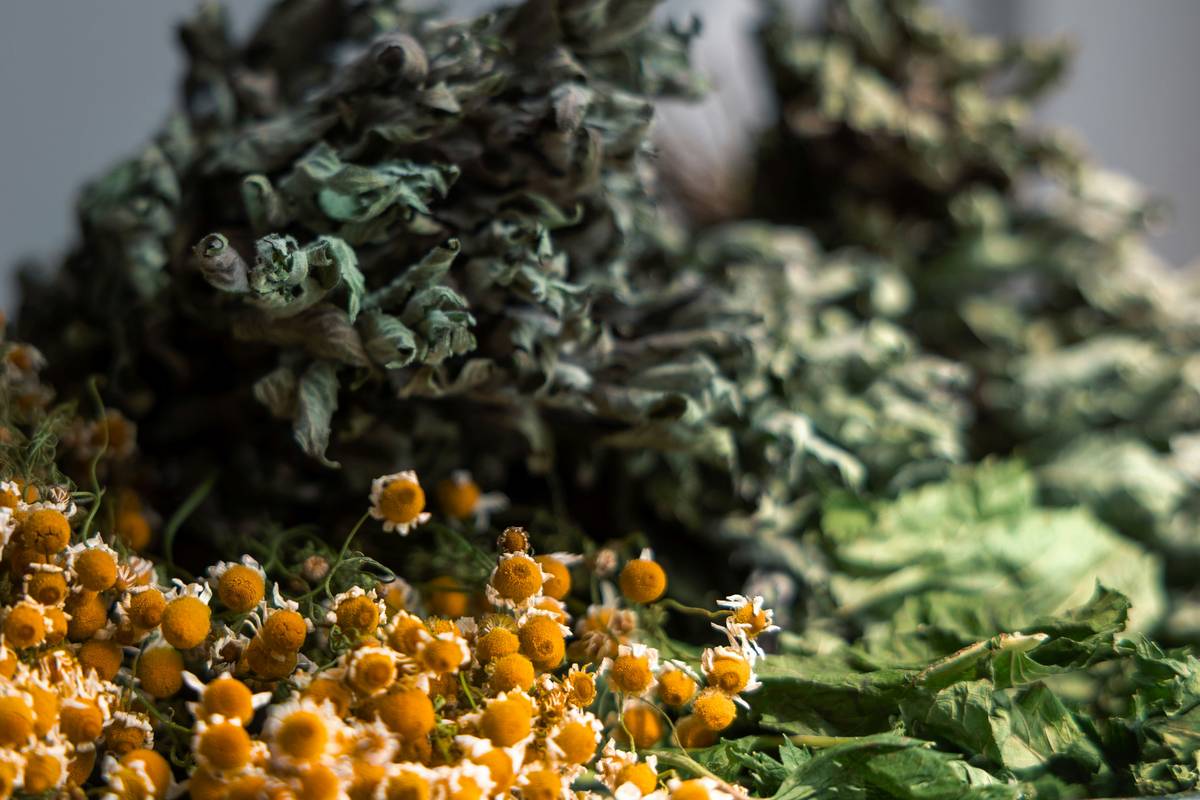
- Use dried, not fresh herbs—they’re more stable and less prone to microbial contamination.
- Store infusions in dark glass away from heat and light to preserve volatile aromatic compounds.
- Never exceed 5% herb concentration in leave-on products (e.g., 5g herbs per 100g base).
- Avoid citrus peels in daytime formulas—they contain phototoxic compounds that can cause sunburn-like reactions.
And here’s a terrible tip I see everywhere: “Just grind kitchen spices and mix them into coconut oil!” Skip it. Kitchen-grade herbs aren’t tested for heavy metals or microbes—and your face isn’t a curry.
Real Results from Aromatic Herb Use
A 2022 clinical trial published in the Journal of Ethnopharmacology found that a cream containing 3% calendula extract significantly improved hydration and reduced transepidermal water loss in participants with mild eczema over 4 weeks (ScienceDirect). Similarly, users of rosemary-infused scalp treatments reported reduced flaking and increased hair shine within 6 weeks—likely due to rosmarinic acid’s anti-inflammatory action.
At Ellie Faggion, we formulate with intention. Our herbal blends undergo third-party testing for purity and potency, because trust starts with transparency. Learn more about our values on our About Us page.
Frequently Asked Questions
Can I use culinary herbs in my skincare?
Only if they’re labeled food-grade and cosmetic-safe. Many kitchen spices contain fillers or anti-caking agents unsuitable for topical use. Always opt for herbs specifically intended for cosmetic formulation.
Do Aromatic Flavors lose potency over time?
Yes. Volatile compounds degrade with exposure to air, light, and heat. Store dried herbs in airtight containers in a cool, dark place and use within 6–12 months.
Are organic herbs always better?
Generally, yes. Certified organic herbs avoid synthetic pesticides and heavy metal contamination—a critical factor since skin absorbs up to 60% of what you apply (U.S. FDA).
Can Aromatic Flavors replace synthetic fragrances?
Absolutely—and safely. Unlike artificial perfumes, which often contain phthalates linked to hormone disruption, plant-derived aromatics offer therapeutic benefits alongside scent.
How do I know if my herb is contaminated?
Reputable suppliers provide Certificates of Analysis (COAs). If you’re unsure, contact the brand directly. We prioritize full ingredient traceability—check our Privacy Policy to see how we protect your data while sourcing ethically.
Where can I get help formulating with herbs?
We’d love to guide you! Reach out via our Contact Us page for personalized advice on integrating organic herbs into your routine.
Remember: nature’s power lies not in abundance, but in balance. Treat every sprig of thyme, every petal of rose, as both art and science—and your skin will sing.