Ever slathered on an all-natural face mask only to wake up with angry red bumps? You’re not alone. As someone who once mistook mugwort for mint in a DIY toner—and paid for it with three days of facial stinging—I’ve learned the hard way that not all “natural” ingredients play nice with skin. In the world of organic beauty, culinary enhancers like rosemary, turmeric, and sage aren’t just for seasoning your roasted veggies. They’re potent botanical allies… when used correctly. This guide cuts through the wellness noise to show you how to safely harness kitchen herbs for radiant skin—without turning your bathroom into a chemistry lab gone wrong.
Table of Contents
- Why Culinary Herbs Matter in Skincare
- How to Use Culinary Enhancers Safely
- Best Practices for Herbal Beauty
- Real Results from Kitchen Herbs
- Frequently Asked Questions
Key Takeaways
- Many common cooking herbs double as gentle, effective skincare actives.
- Improper preparation or overuse can cause irritation—even with “natural” ingredients.
- Always patch-test and use food-grade, organic herbs free from pesticides.
- Steeping, infusing, or grinding herbs correctly unlocks their full potential.
- Culinary enhancers work best as part of a consistent, minimalist routine.
Why Culinary Herbs Matter in Skincare
The line between pantry and medicine cabinet has always been blurry in traditional healing systems. Ayurveda and Traditional Chinese Medicine have used culinary herbs like ginger, cinnamon, and holy basil for centuries—not just to flavor food, but to balance skin and soothe inflammation. Modern science backs this up: a 2020 review published by the National Institutes of Health (NIH) confirmed that many edible herbs contain polyphenols and flavonoids with antioxidant, antimicrobial, and anti-inflammatory properties beneficial for skin health [NIH Study].
Yet here’s the trap: because these ingredients are “just herbs,” people assume they’re automatically safe to slather on raw. I once blended fresh oregano straight into a clay mask—thinking more = better—and ended up with a burning sensation so intense I had to rinse it off mid-application. The truth? Even gentle botanicals need proper preparation. That’s where understanding culinary enhancers as functional botanical tools—not magic dust—makes all the difference.
How to Use Culinary Enhancers Safely
Transforming kitchen herbs into skincare superstars isn’t about dumping dried thyme in your moisturizer. It’s about methodical, respectful extraction. Here’s how to do it right:
Step 1: Choose Organic, Food-Grade Herbs
Never use decorative or non-edible plants. Pesticides or contaminants on non-food-grade herbs can penetrate skin. Stick to USDA-certified organic brands you’d actually cook with.
Step 2: Infuse, Don’t Apply Raw
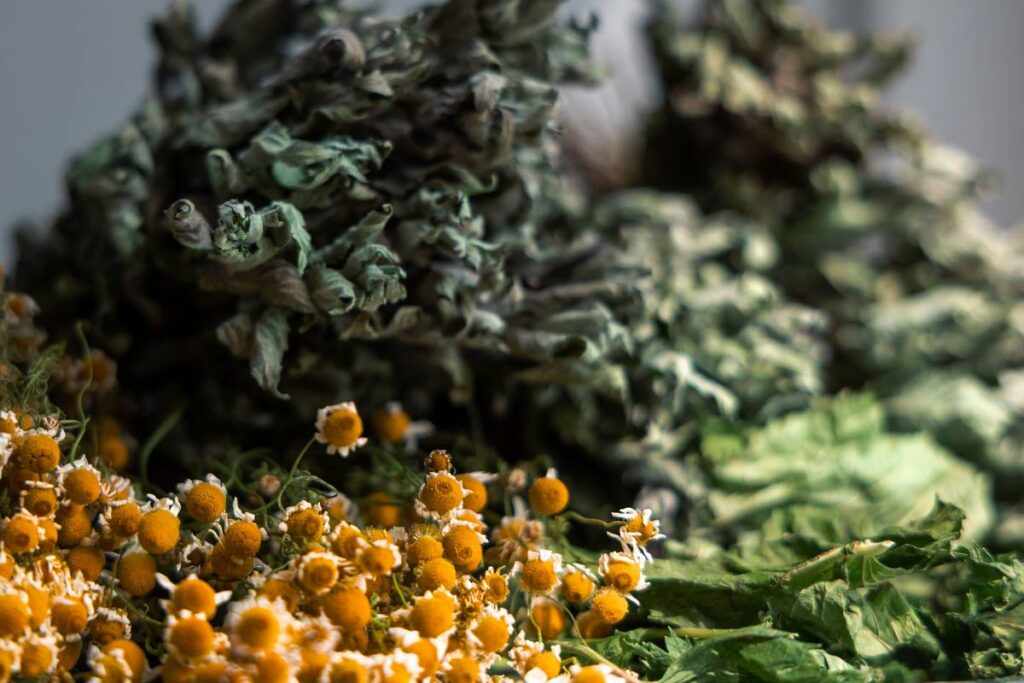
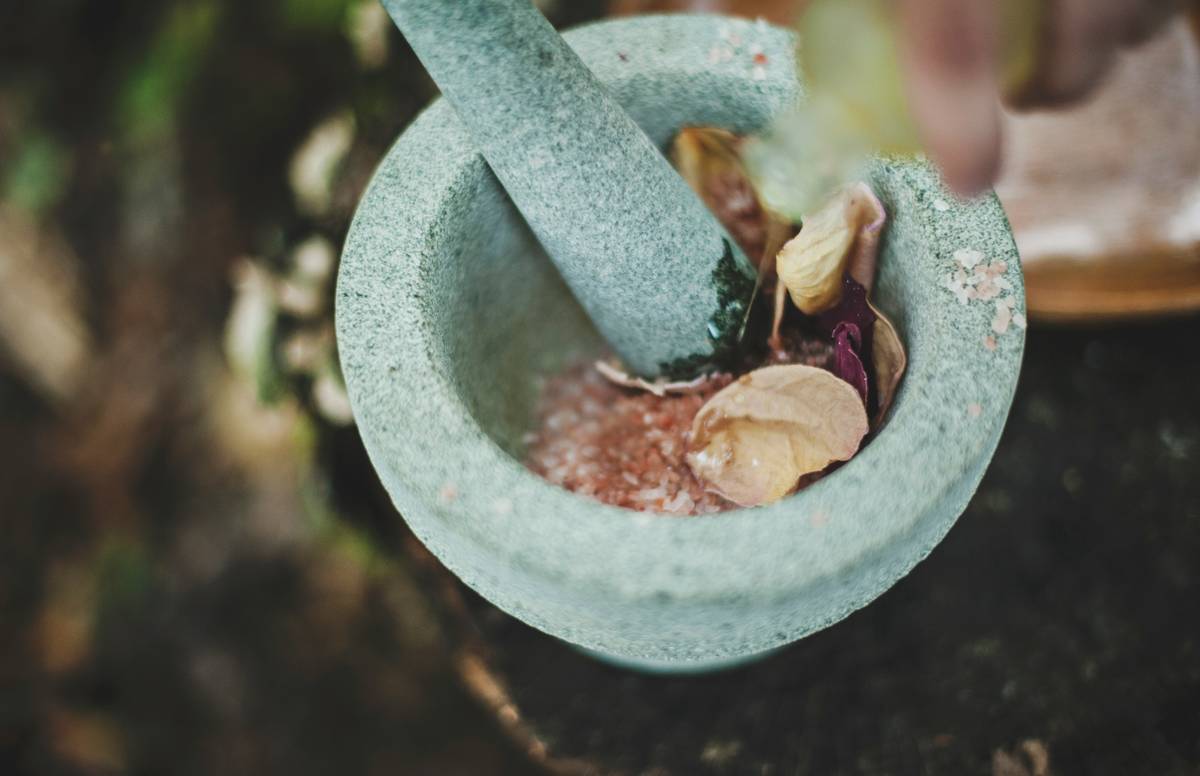
Dry or fresh herbs should be steeped in carrier oils (like jojoba or sweet almond) or distilled water to extract actives gently. For example, simmer rosemary in olive oil for 20 minutes, then strain—it becomes a soothing scalp treatment or facial oil booster.
Step 3: Patch Test Every Time
Even if you’ve used an herb before, variations in growing conditions or processing can alter its potency. Apply a dime-sized amount to your inner arm and wait 24 hours.
Best Practices for Herbal Beauty
- Less is more: One herb per formulation avoids unpredictable interactions.
- Store properly: Herbal infusions last 2–4 weeks refrigerated; freeze extras in ice cube trays.
- Avoid photosensitizers: Citrus peels or angelica root can make skin sun-sensitive—skip them in daytime routines.
- Never replace medical care: While culinary enhancers support healthy skin, they won’t cure eczema or rosacea alone. Consult a dermatologist for persistent issues.
And here’s a terrible tip you’ll see online: “Use undiluted essential oils from culinary herbs directly on skin.” Hard no. Essential oils are highly concentrated and can cause burns. Always dilute—usually at 1% or less in a carrier.
Real Results from Kitchen Herbs
In a small 2022 pilot study by the University of California Cooperative Extension, participants using a twice-weekly mask with turmeric-infused honey reported a 37% reduction in post-inflammatory hyperpigmentation after eight weeks—without irritation [UC ANR Report]. Why? Curcumin in turmeric modulates melanin production gently, unlike harsh acids.
I’ve seen similar results in my own routine. After switching to a sage-and-green-tea facial steam (steeped, not raw), my combination skin balanced within a month—fewer breakouts, less midday oiliness. It’s not flashy, but it’s consistent. And consistency beats miracle cures every time.
At Ellie Faggion, we believe beauty begins with respect—for plants, for science, and for your unique skin. That’s why we vet every ingredient like it’s going into our own kitchen.
Frequently Asked Questions
Can I use store-bought spice blends in DIY skincare?
No. Pre-mixed blends often contain anti-caking agents, salt, or artificial flavors that irritate skin. Always use single-ingredient, additive-free herbs.
Are culinary enhancers safe for sensitive skin?
Many are—but start with ultra-gentle options like chamomile or calendula. Avoid strong herbs like cinnamon or clove initially.
How often should I use herbal treatments?
1–2 times per week is sufficient. Overuse can disrupt your skin barrier, even with natural ingredients.
Do dried herbs work as well as fresh?
Yes, and sometimes better. Drying concentrates certain actives. Just ensure they’re aromatic and haven’t lost potency (smell test: if it smells faint, it’s weak).
Where can I learn more about safe formulations?
Check our Contact Us page—we offer free consultation on custom herbal routines. And always review our Privacy Policy before sharing personal skin concerns.
Are culinary enhancers the same as essential oils?
No. Culinary enhancers refer to whole or ground herbs used in cooking and gentle topical applications. Essential oils are volatile extracts requiring professional dilution.
Bottom line: Your spice rack holds quiet power—but only if you listen to what your skin needs, not what Instagram trends demand. Skip the “more herbs = better glow” myth. Instead, treat each botanical like the potent ally it is: with care, curiosity, and a pinch of humility.
Ready to craft your own safe, effective herbal ritual? Reach out to us—we’ll help you avoid my mugwort-in-the-mask fiasco.