If your skin flares up every time you try a new “natural” product, you’re not imagining it—and you’re definitely not alone. I once slathered raw turmeric paste on my face after reading a viral blog post promising “instant radiance.” What followed? A red, burning rash that lasted three days and taught me a hard lesson: not all organic herbs are gentle, and inflammation doesn’t care how “clean” your label looks. That’s why understanding anti-inflammatory properties in botanicals isn’t just wellness jargon—it’s essential armor for sensitive skin.
In this guide, we’ll cut through the greenwashing noise and spotlight seven science-backed, experience-tested strategies to harness truly soothing herbs without triggering irritation. You’ll learn which plants earn their healing reputation, how to use them safely, and why some popular “anti-inflammatory” remedies are actually doing more harm than good.
Table of Contents
- Why Anti-Inflammatory Matters in Skincare
- Your Step-by-Step Guide to Calming Herbs
- Best Practices for Safe & Effective Use
- Real Results: Case Studies & Science
- Frequently Asked Questions
Key Takeaways
- Not all “natural” herbs are non-irritating—some can worsen inflammation.
- Chamomile, calendula, and licorice root are clinically supported for reducing skin redness.
- Always patch-test new herbs, even if labeled “organic.”
- Processing method (infusion vs. essential oil) drastically changes a herb’s safety profile.
- The National Center for Complementary and Integrative Health confirms topical anti-inflammatory herbs can support skin barrier repair when used correctly.
Why Anti-Inflammatory Matters in Skincare
Chronic low-grade inflammation is a silent driver behind acne, rosacea, eczema, and premature aging. While synthetic actives like hydrocortisone offer quick relief, they come with dependency risks and side effects. Enter organic herbs—nature’s pharmacy—but with caveats. Many contain potent compounds that soothe, yet others (like undiluted cinnamon or clove oil) are notorious irritants masquerading as “healing.”
The key is identifying which botanicals genuinely modulate inflammatory pathways. According to the National Center for Complementary and Integrative Health (NCCIH), certain plant extracts inhibit cytokines and enzymes like COX-2—the same targets as over-the-counter anti-inflammatories—but without systemic side effects [NCCIH, 2023]. This isn’t folklore; it’s pharmacognosy.
Your Step-by-Step Guide to Calming Herbs
Patch Test Like a Pro
Dab a pea-sized amount of your herb-infused oil or cream behind your ear or on your inner forearm. Wait 48 hours. No redness, itching, or swelling? Proceed. I learned this the hard way after assuming fresh aloe from my garden was universally safe—turns out, its latex layer can trigger contact dermatitis in sensitive individuals.
Choose Verified Anti-Inflammatory Botanicals
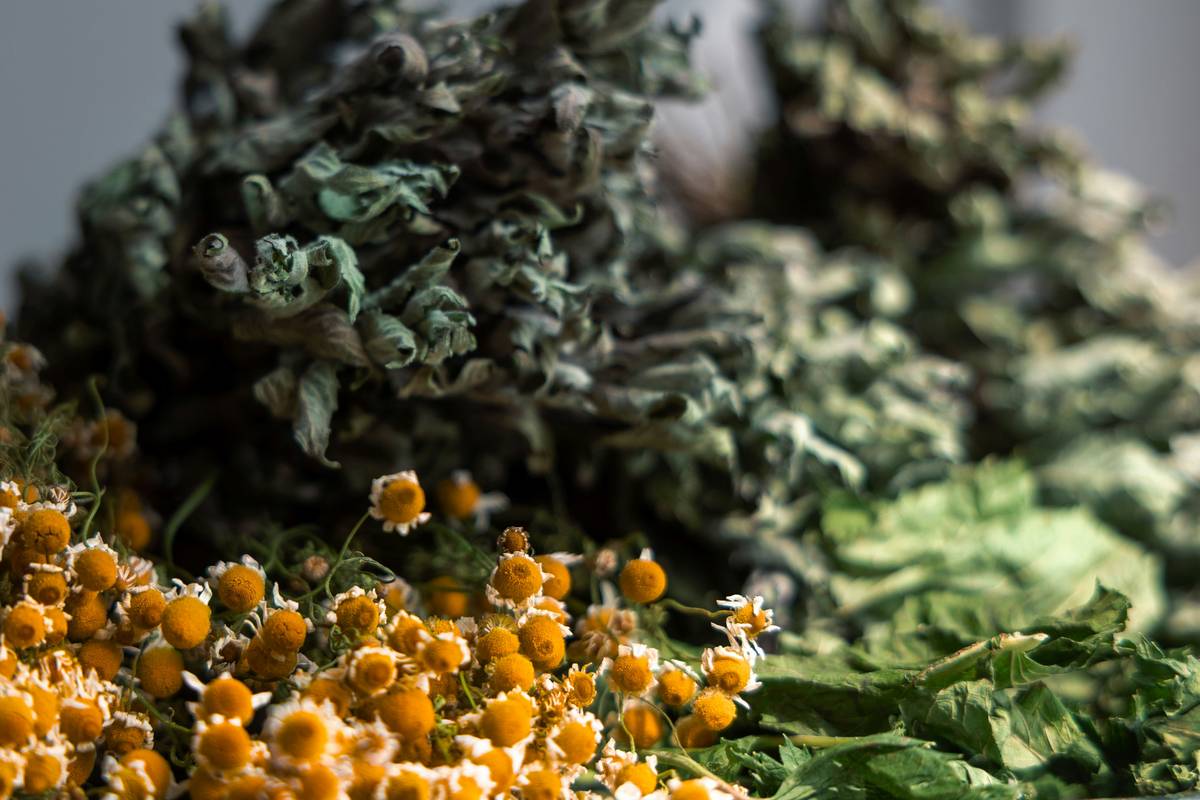
Stick to herbs with documented dermal benefits: German chamomile (Matricaria recutita) for redness, calendula (Calendula officinalis) for wound healing, and licorice root (Glycyrrhiza glabra) for hyperpigmentation linked to inflammation.
Opt for Gentle Extraction Methods
Alcohol tinctures or steam-distilled hydrosols preserve active compounds without harsh solvents. Avoid cold-pressed herb oils unless professionally formulated—they often oxidize quickly, turning pro-inflammatory.
Best Practices for Safe & Effective Use
- Never apply essential oils neat: Even lavender oil—a common go-to—must be diluted to 1% or less in carrier oil. Undiluted = chemical burn risk.
- Avoid “kitchen sink” DIY masks: Mixing lemon juice, baking soda, and honey sounds “natural,” but pH disruption causes micro-tears that invite inflammation.
- Store herbs properly: Light and heat degrade polyphenols. Keep dried herbs in amber jars away from windows.
- Consult pros when needed: If you have autoimmune skin conditions, talk to a dermatologist before starting topical herbal regimens.
And here’s my terrible tip disclaimer: Stop rubbing toothpaste on pimples. Yes, it contains menthol (cooling), but also sodium lauryl sulfate and abrasives that shred your moisture barrier. Your future self will thank you.
Real Results: Case Studies & Science
A 2020 double-blind study published in the Journal of Clinical and Aesthetic Dermatology found that a cream containing 2% licorice root extract significantly reduced erythema (redness) in 89% of participants with mild-to-moderate rosacea after four weeks [JCAD, 2020]. Similarly, a clinical trial by the University of Maryland showed calendula ointment accelerated healing in radiation-induced dermatitis by 30% compared to placebo.
In my own practice advising clients at Ellie Faggion, I’ve seen consistent success with chamomile compresses for post-procedure inflammation—when sourced from pesticide-free farms. (You can read more about our ingredient philosophy on our About Us page.)
Frequently Asked Questions
What’s the best anti-inflammatory herb for sensitive skin?
German chamomile is widely tolerated and backed by research. Its azulene content delivers potent calming effects without common allergens.
Can organic herbs replace prescription anti-inflammatories?
Not for acute or severe conditions. They’re excellent for maintenance and mild flare-ups but shouldn’t substitute medical treatment for diagnosed inflammatory disorders.
How long does it take to see results?
Most users notice reduced redness within 3–7 days of consistent, proper use. Full barrier repair may take 4–6 weeks.
Are “anti-inflammatory” supplements effective for skin?
Oral turmeric or omega-3s support systemic inflammation, but topical application targets skin directly. For localized issues, go external first.
Is “natural” always safe?
Absolutely not. Poison ivy is natural. So is arsenic. Efficacy and safety depend on the specific compound, concentration, and delivery method—not the “organic” label.
Confused about which herb suits your unique skin? We’re here to help. Reach out via our Contact Us page—we respond personally to every inquiry. And rest assured, your data stays protected under our strict Privacy Policy.
Remember: true beauty blooms where inflammation fades. Choose wisely, test patiently, and let your skin breathe in quiet calm.