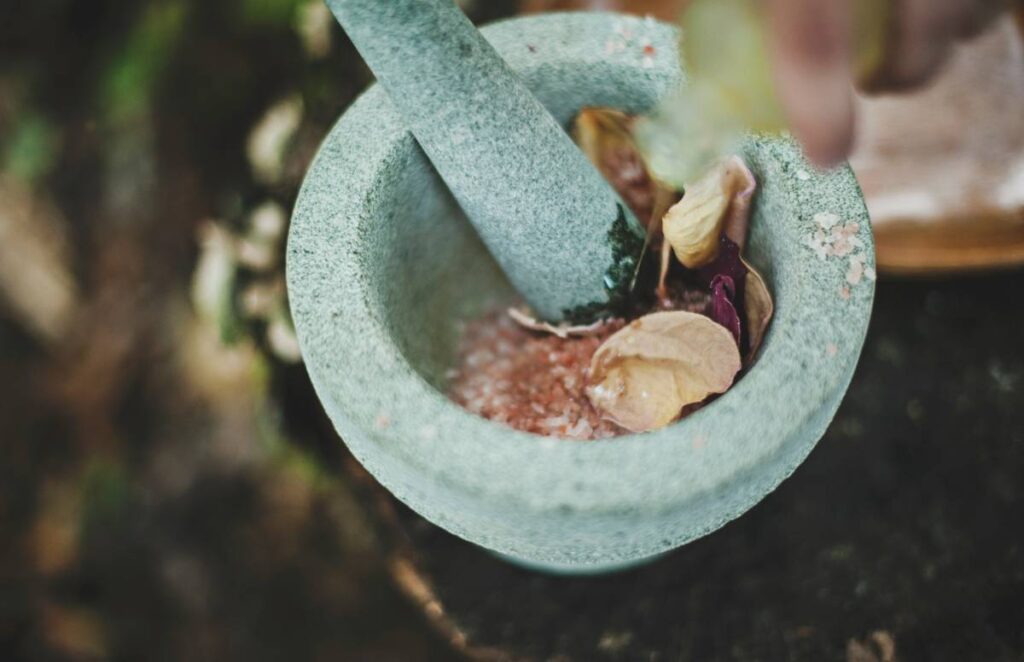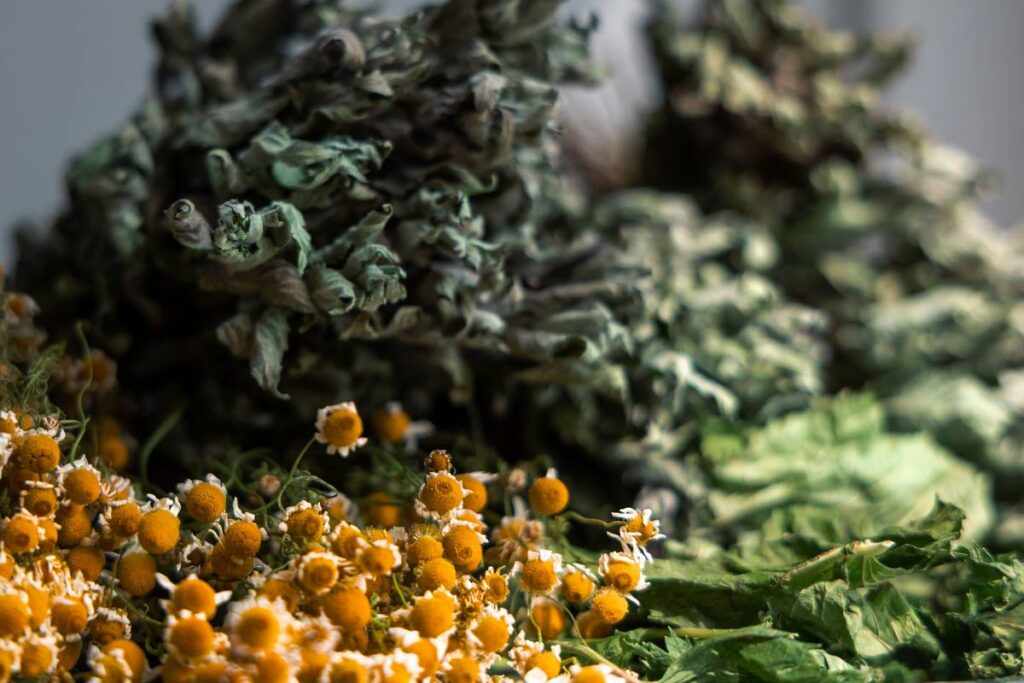
Most “natural” beauty products are little more than green-washed synthetics with a sprig of mint slapped on the label. You slather them on, hoping for radiance—only to see breakouts, irritation, or worse, no change at all. The real fix? Go deeper than surface-level botanicals. True transformation starts with Medicinal Herbs grown with intention, not just added for marketing flair.
Why Commercial “Natural” Skincare Fails
Big brands love slapping “herbal” or “botanical” on bottles—but 90% contain trace extracts so diluted they’re functionally inert. And even when active, they’re often stripped of co-factors during industrial processing. What remains? A ghost of healing potential.
Here’s the reality: Medicinal herbs work best when used whole, in synergy with their natural compounds—not isolated into sterile actives that ignore the plant’s full intelligence.
How to Harness Medicinal Herbs for Real Skin Results
Forget tossing dried rosemary into a jar and calling it a serum. Precision matters. Potency matters. Timing matters.
Selecting High-Potency Organic Herbs
Not all “organic” is equal. Look for herbs grown in mineral-rich soil, harvested at peak bloom, and shade-dried to preserve volatile oils. Calendula picked pre-dawn? Far richer in anti-inflammatory flavonoids than midday-harvested stock.
Extraction Methods That Actually Work
Alcohol tinctures pull alkaloids but kill delicate mucilage. Cold-pressed oil infusions preserve skin-soothing polysaccharides. Steam distillation? Great for essential oils—but you lose the water-soluble actives your barrier craves.
DIY vs. Trusted Artisan Blends
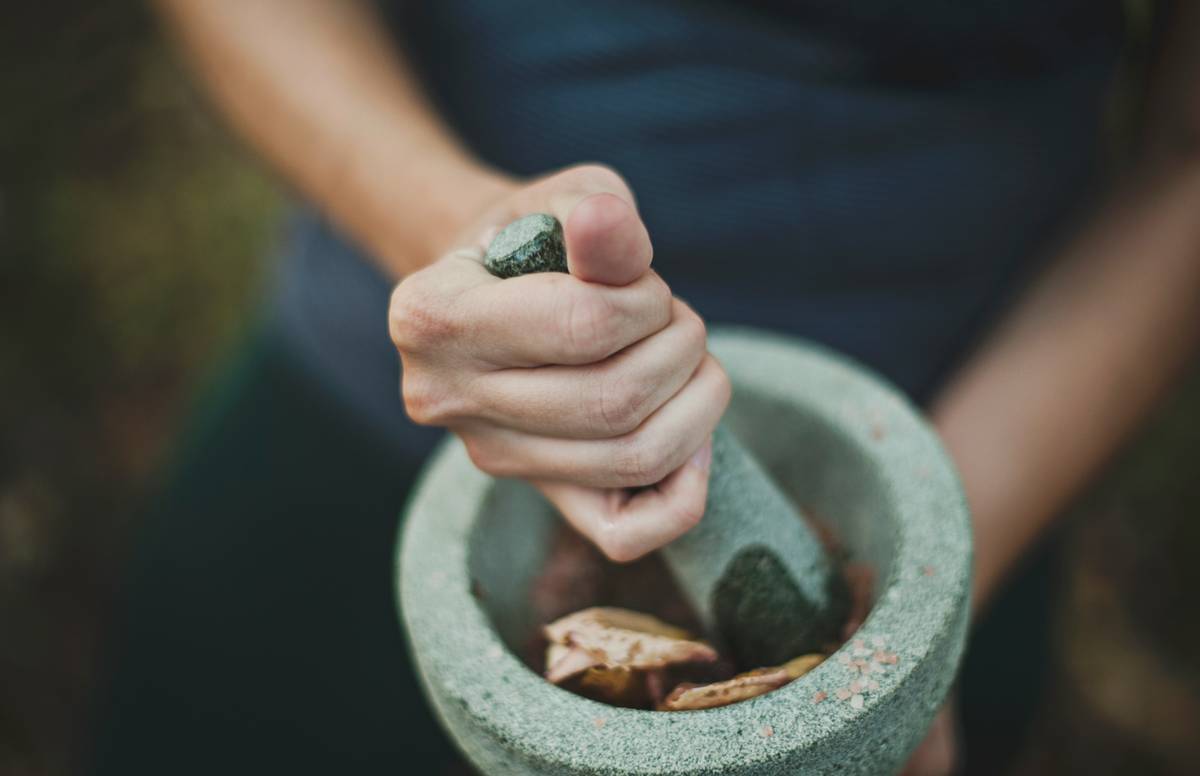
You can make your own—but only if you control sourcing, ratios, and shelf stability. One moldy batch of infused oil ruins more than just your face. Most people underestimate pH shifts and microbial risks.
| Method | Skin Benefit | Stability (Shelf Life) | Risk of Contamination |
|---|---|---|---|
| Cold Oil Infusion | Deep nourishment, barrier repair | 6–12 months (if properly strained) | Moderate (requires dry herb prep) |
| Alcohol Tincture | Antimicrobial, clarifying | 2+ years | Low |
| Fresh Plant Poultice | Immediate calming, wound healing | Use immediately | High (bacterial growth risk) |
| Commercial Extract (Standardized) | Predictable dosing | 18–24 months | Very low |
The Industry Secret Nobody Talks About
Top herbal formulators don’t chase single “hero” ingredients. They build phyto-synergies—combinations where one herb enhances another’s absorption or effect. Think: turmeric + black pepper isn’t just for digestion; piperine boosts curcumin’s skin penetration by 20x. Or how chamomile’s apigenin stabilizes green tea’s EGCG against oxidation.
But here’s what gets buried: most labs testing “efficacy” isolate compounds—killing the very synergy that makes whole herbs powerful. The math is simple: nature didn’t design actives to work alone.
Frequently Asked Questions
Can I use culinary herbs as Medicinal Herbs for skin?
Sometimes—but potency varies wildly. Kitchen oregano lacks the thymol concentration of wild-harvested medicinal oregano. For therapeutic results, source from apothecary-grade growers.
Do Medicinal Herbs cause photosensitivity?
A few do—like angelica or rue. But most common ones (calendula, lavender, plantain) are safe. Always patch-test, and avoid citrus-family herbs in daytime formulas.
How long before I see results using Medicinal Herbs?
Acute issues (redness, minor irritation) may calm in 24–72 hours. Chronic concerns like hyperpigmentation or barrier dysfunction typically need 4–8 weeks of consistent use.