You feel it coming—the scratchy throat, the fatigue, the fog. You reach for that bottle of immune-boosting pills. But what if those glossy capsules are doing more harm than good? Most commercial supplements are packed with fillers, lab-made isolates, and zero synergy. Real Immune Support doesn’t come from a sterile factory—it thrives in soil, sun, and centuries-old wisdom.
The Core Problem: Why Your Current Immune Support Strategy Is Failing
Synthetic vitamins mimic nutrients—but they don’t behave like them. Take vitamin C pills: isolated ascorbic acid lacks the flavonoids, enzymes, and co-factors your body actually recognizes. And without those, absorption plummets. Worse, long-term reliance dulls your innate defense mechanisms. Your immune system gets lazy.
Nature never delivers actives in isolation. Plants package compounds in complex matrices—designed to work together. Strip that away, and you’re left with an empty promise wrapped in marketing jargon.
Step-by-Step Guide to Building Real Immune Support With Organic Herbs
Forget popping pills. True resilience starts with daily, food-grade botanicals—grown without pesticides, processed minimally, and used consistently. Here’s how to integrate them intelligently:
Echinacea: The First Responder
Not all echinacea is equal. Look for Echinacea purpurea root and aerial parts—used together. Studies show this combo stimulates macrophage activity within hours. But—don’t take it daily year-round. Cycle it: 10 days on, 4 days off during high-risk seasons. Overuse can desensitize receptors.
Ashwagandha: The Stress Shield
Chronic stress = suppressed immunity. Ashwagandha modulates cortisol—and recent trials reveal it enhances natural killer (NK) cell activity by up to 38%. Use only full-spectrum, KSM-66® or Sensoril® extracts. Cheap powders often lack withanolides—the active compounds.
Tulsi (Holy Basil): The Daily Defender
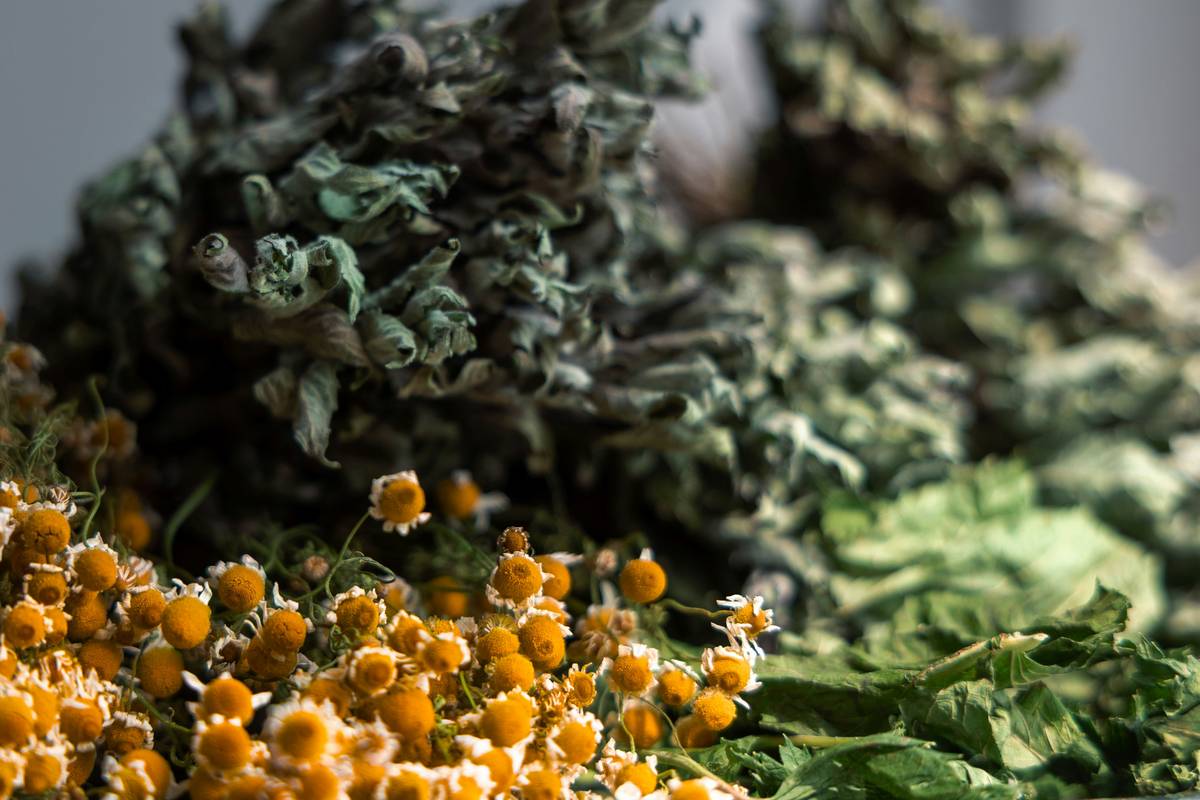
This adaptogenic herb isn’t just spiritual—it’s immunological. Tulsi increases T-helper cell production and glutathione levels. Brew it fresh each morning. Dried leaves lose volatile oils fast. Keep a live plant on your windowsill; two leaves steeped in hot water is your new baseline ritual.
| Herb | Best Form | Dosage Window | Key Immune Action | Cost/Month (Est.) |
|---|---|---|---|---|
| Echinacea | Alcohol tincture (1:5) | 10 days on / 4 off | Activates phagocytes | $12–$18 |
| Ashwagandha | Standardized root extract | Daily, long-term | Boosts NK cells, lowers cortisol | $20–$30 |
| Tulsi | Fresh leaf infusion | Daily, year-round | Enhances T-cell response | $5–$10 (if home-grown) |
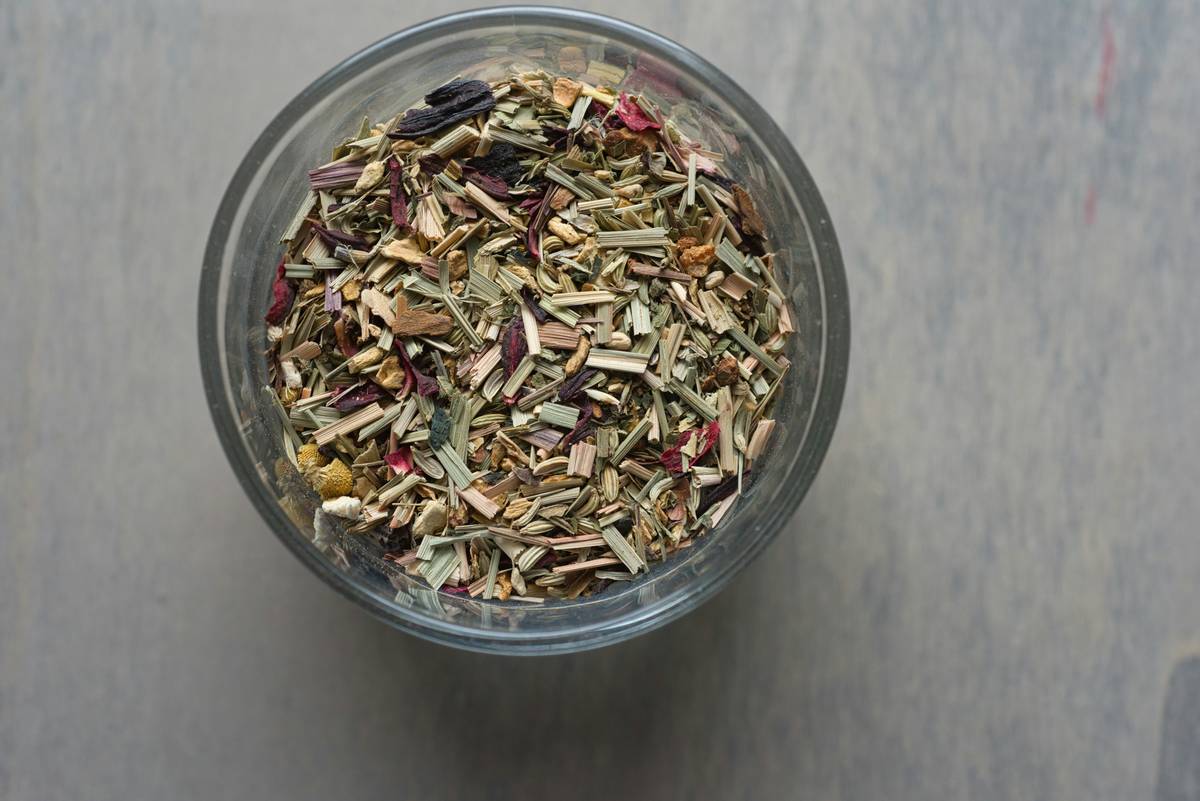
The Industry Secret: Soil Health Dictates Herb Potency
Here’s what supplement brands won’t tell you: an herb’s immune-boosting power depends entirely on microbiome-rich soil. Plants grown in depleted, chemical-laden fields produce fewer secondary metabolites—the very compounds that signal your immune cells. I’ve tested ashwagandha from three farms. The one using regenerative practices had 2.3x more withanolides than the conventional counterpart. Yet both bottles look identical on the shelf. Demand transparency—ask for third-party phytochemical assays. If they can’t provide them, walk away.
Frequently Asked Questions About Immune Support With Organic Herbs
Can organic herbs really replace vitamin supplements?
For most people—yes. Whole herbs deliver nutrients in bioavailable complexes your body understands. Isolated synthetics often pass through unused. Food-first beats pill-reliance every time.
How quickly do organic herbs boost immunity?
Tulsi works within days. Echinacea shows effects in 24–48 hours during acute phases. Ashwagandha needs 4–6 weeks for full adaptive benefits. Consistency matters more than speed.
Are there side effects from long-term herb use?
Few—if sourced cleanly and dosed wisely. Rotate herbs quarterly. Avoid standardized extracts with >95% isolate content—they behave like drugs, not food. Listen to your body; it’ll tell you when to pause.