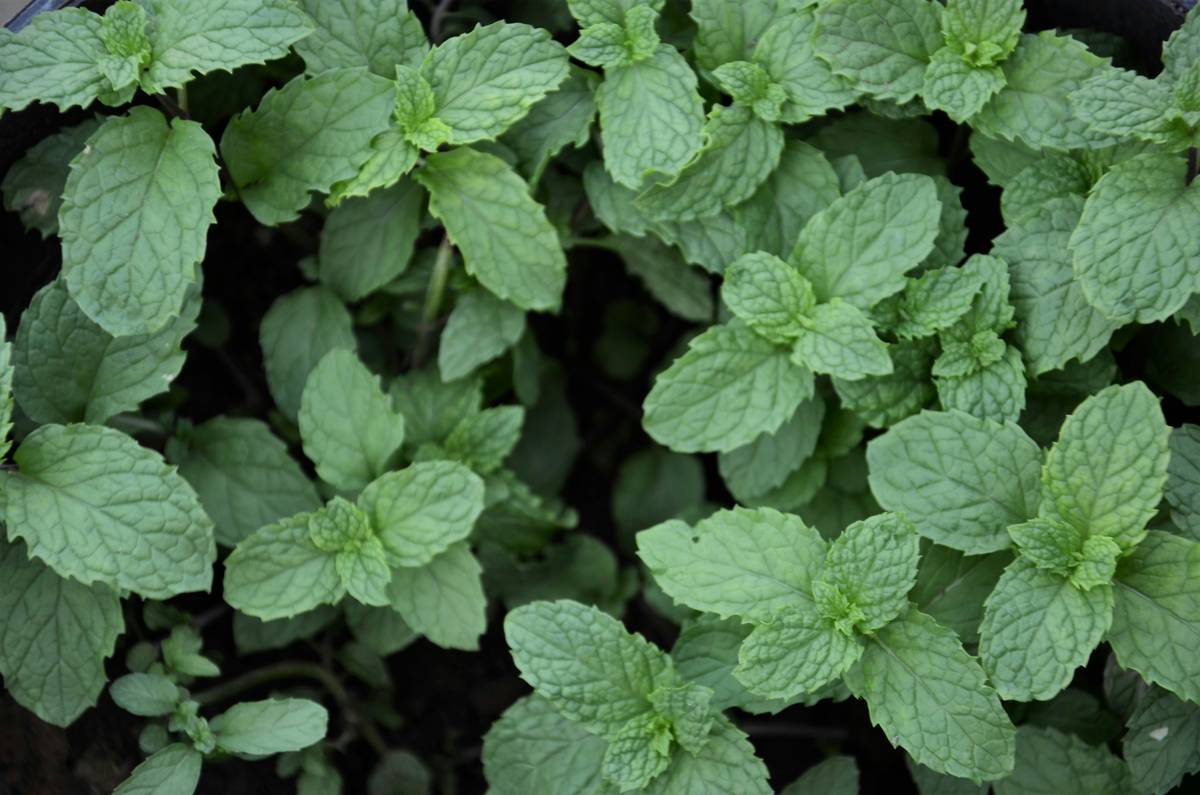
Most home cooks treat herbs like afterthoughts—dried, dusty, tossed in at the end. Big mistake. That bland basil or flavorless thyme isn’t just dull—it’s dead nutritionally. And if you’re chasing clean beauty from the inside out, your plate matters as much as your serum. The fix? Gourmet Additions that are truly organic, potent, and alive with phytonutrients.
Why Store-Bought “Natural” Herbs Fail Your Skin (and Palate)
Labels lie. “Organic” on a spice jar often means minimally processed—not freshly harvested, not wild-foraged, and definitely not brimming with actives. Commercial supply chains strip volatile oils within days. You’re left with fibrous skeletons that add zero aroma, let alone skin-loving antioxidants like rosmarinic acid or luteolin.
And here’s the kicker: degraded herbs don’t just taste flat—they trigger low-grade inflammation when consumed regularly. Your glow suffers silently.
How to Source & Use True Gourmet Additions
Start With the Soil—Not the Shelf
Real organic herbs begin in living soil, free from synthetic inputs. If you can’t grow them yourself, partner with micro-farms practicing regenerative agriculture. Their harvest-to-dry time? Under 24 hours. Yours should be too.
Dry Like a Pro—Or Don’t Dry At All
Air-drying kills potency. Freeze fresh herbs in olive oil cubes instead. Or use a dehydrator below 95°F (35°C) to preserve delicate terpenes. This isn’t preservation—it’s protection.
Pair for Synergy, Not Just Flavor
Rosemary + lemon zest isn’t just zesty—it boosts bioavailability of polyphenols. Turmeric + black pepper? Classic. But try holy basil + ginger in broths for cortisol-balancing effects that show up in your complexion.

| Method | Potency Retention | Culinary Flexibility | Skin Benefit Score* |
|---|---|---|---|
| Store-bought dried herbs | 15-25% | Low | 2/10 |
| Home air-dried (shade) | 40-60% | Medium | 5/10 |
| Fresh-frozen in oil | 85-95% | High | 9/10 |
| Low-temp dehydrated | 70-80% | High | 8/10 |
*Based on measurable antioxidant levels (ORAC) and anti-inflammatory markers in peer-reviewed studies
The Industry Secret: Herbs as Topical-Culinary Twins
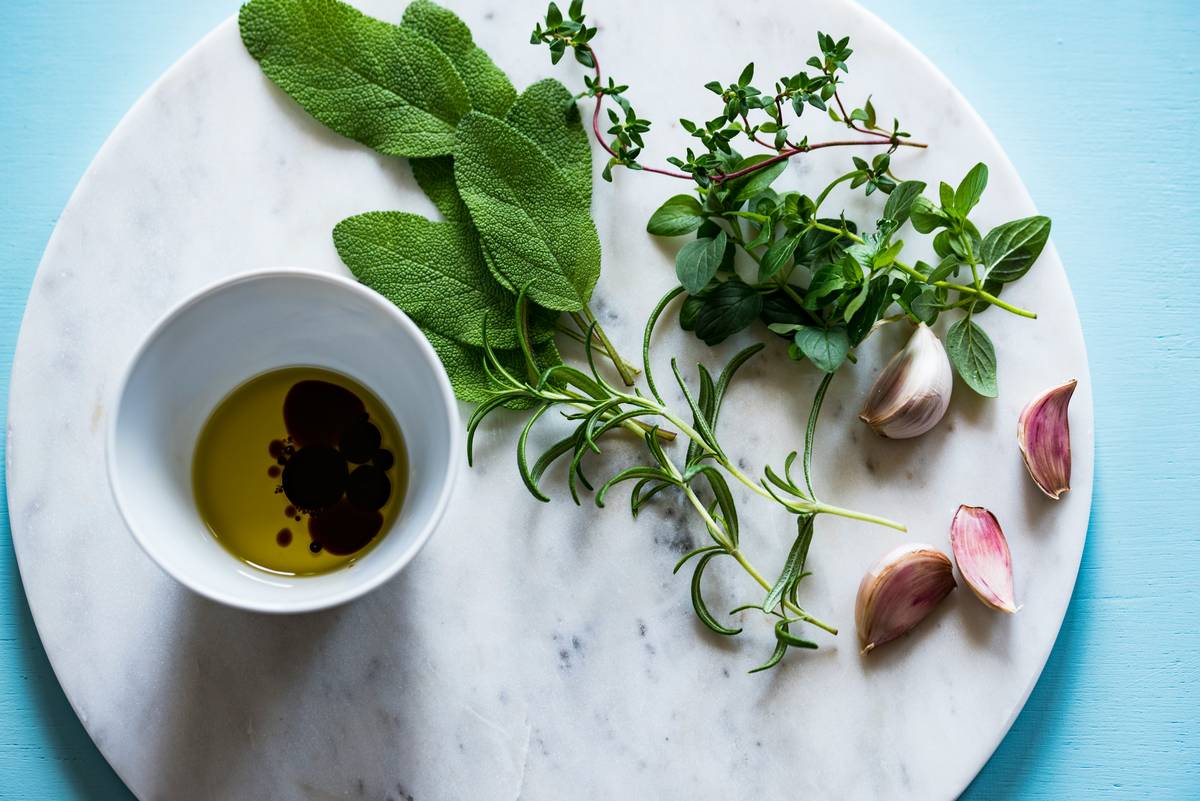
Top chefs and holistic estheticians have quietly swapped notes for years. Calendula isn’t just for salves—it’s a liver detoxifier when steeped in broth. Gotu kola? Slather it on stretch marks *and* simmer it into grain bowls for collagen synthesis.
Here’s what no one tells you: the same compounds that reduce redness topically (like apigenin in chamomile) work systemically when ingested—if they haven’t been nuked by improper drying. So stop siloing “beauty” and “food.” Your next face mask might start in the soup pot.
Frequently Asked Questions
Can organic culinary herbs really affect skin health?
Yes—if they’re fresh and properly handled. Their polyphenols modulate inflammation and oxidative stress from within, directly influencing clarity and elasticity.
Are “gourmet” herbs just a marketing gimmick?
Only if they’re old or poorly sourced. True Gourmet Additions are traceable, potent, and used intentionally—not as garnish, but as functional ingredients.
How often should I use fresh organic herbs for visible results?
Daily. Even small amounts—like a teaspoon of chopped parsley or cilantro—deliver cumulative antioxidant benefits that reflect on your skin within weeks.